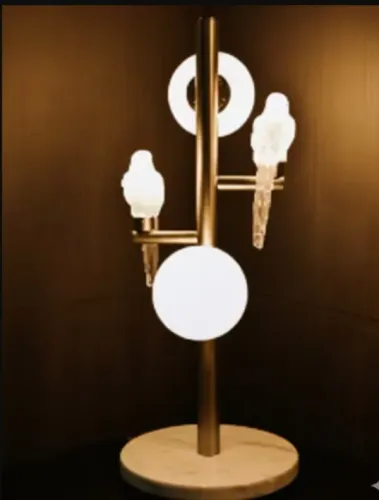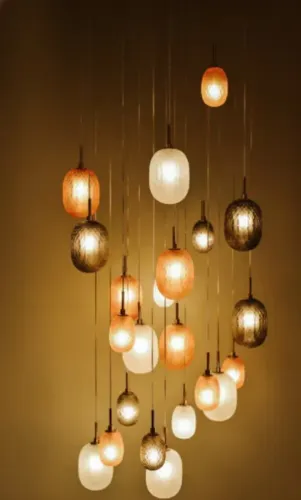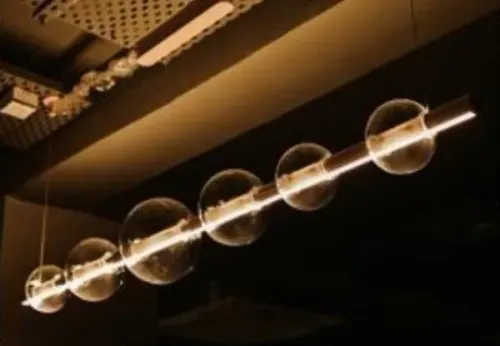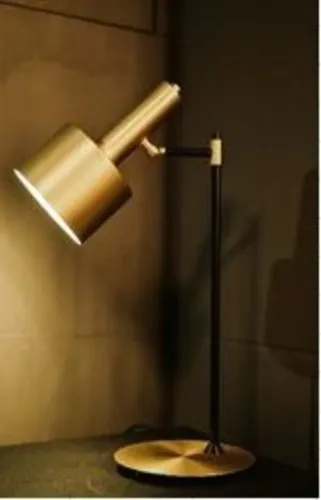
A restaurant lighting order can fail even when the fittings look excellent in a showroom: the room may feel dim, diners may face glare, or replacement parts may become difficult to source. Use the dining-area measurements, performance data, electrical details and service terms below to compare quotations before approving a bulk order.
Key takeaways
- Brief dining, bar, kitchen, washroom and circulation zones separately.
- Use lux targets, lumen output and layout—not table count—to set quantities.
- Check glare, colour temperature, mounting height, dimming and control compatibility.
- Require a sample installation and written schedule before comparing quotations.
Build the lighting brief around every restaurant zone
Before ordering dining lights for restaurants in Delhi, define each zone, its purpose and its operating conditions before asking for a quotation. A supplier cannot price or plan accurately from table count alone.
1. Mark the floor plan with dining tables, bar, buffet, payment counter, entrance, stairs, corridors, washrooms and kitchen-service areas. Note each zone’s length, width, ceiling height, seating capacity, table size, wall and ceiling finishes, and whether furniture or signage will block the light.
2. Separate the lighting layers: decorative pendants over tables, general ambient lighting, wall or architectural lighting, and code-required emergency lighting. Decorative fittings are not a substitute for emergency luminaires; show emergency routes and exit signs on the plan.
3. State the target conditions for each area. Use roughly 100–200 lux for general dining illumination, then identify higher-light areas such as menus, payment counters, buffets, stairs and circulation. Request calculation at table height after finishes and furniture are installed, not from lamp wattage alone.
4. Specify the preferred CCT, such as 2700–3000 K for intimate dining or 3000–3500 K for brighter casual dining, plus a consistent CCT bin. Ask for beam angle, photometric files, fixture dimensions, driver details and a sample installation.
5. List dimming method, minimum load, control wiring, connected load, circuit zones, supply voltage, earthing, cable capacity, junction-box access, cleaning access and replacement arrangements. Confirm all control components together; incompatible systems cause flicker, buzzing or failed start-up.
Calculate fixture quantity from lux, lumens and layout
Start with the dining area’s floor area and target illuminance. Required light on the working plane is calculated as lux × area in square metres. For a 60 m² dining room at 150 lux, the target is 9,000 delivered lumens before losses.
Estimate fixture quantity with this formula: number of fixtures = target lux × area ÷ (delivered lumens per fixture × utilization factor). Using a 1,000-lumen fitting and a 0.70 factor for room reflectance, furniture and distribution gives 9,000 ÷ 700 = 12.9, so begin with 13 fixtures.
Treat this as a planning figure, not a final layout; a photometric file and reflected-ceiling plan can change the count.
Calculate each lighting layer separately:
- General ambient light: use approximately 100–200 lux across the dining floor.
- Table lighting: add focused pendants or downlights where menus and food need stronger illumination.
- Circulation and service areas: calculate separately for aisles, stairs, counters and payment points.
- Emergency lighting: specify approved emergency fittings independently; decorative restaurant dining lights in Delhi are not a substitute.
Total light output means delivered lumens, not input watts. Request both figures, plus beam angle and spacing. Thirteen narrow-beam fittings can leave dark gaps, while fewer wide-beam fittings can spill light onto walls and diners. Test a representative table and seated eye level after furniture and finishes are installed.
Check colour, glare, height and control compatibility
A seated eye-level test is the best acceptance check for dining light specifications in Delhi. Install a sample at the actual ceiling height, then view it from a chair during daylight and evening service; wall colour, table finish, glassware and frontage daylight can change glare and perceived brightness.
Separate decorative pendants over tables from ambient, wall or architectural, and code-required emergency lighting. A pendant is not an emergency-lighting system. Keep the source above sightlines, and confirm clearance from doors, sprinklers, ceiling fans and tall guests before fixing the mounting height.
Ask for these details in writing before approving the quotation:
- LED colour temperature, with 2700–3000 K for warmth or 3500–4000 K for clearer food and cleaning visibility
- Colour-rendering index of Ra 90 or higher; a lumen-and-wattage-only quote is incomplete
- Beam angle, diffuser or shielding, delivered lumens and the viewing position used for the glare test
- Fixture dimensions, suspension length, ceiling fixing method and access for cleaning or replacement
- Driver type, dimmer, minimum load, control wiring and protocol, such as leading-edge, trailing-edge, 0–10 V, DALI or wireless
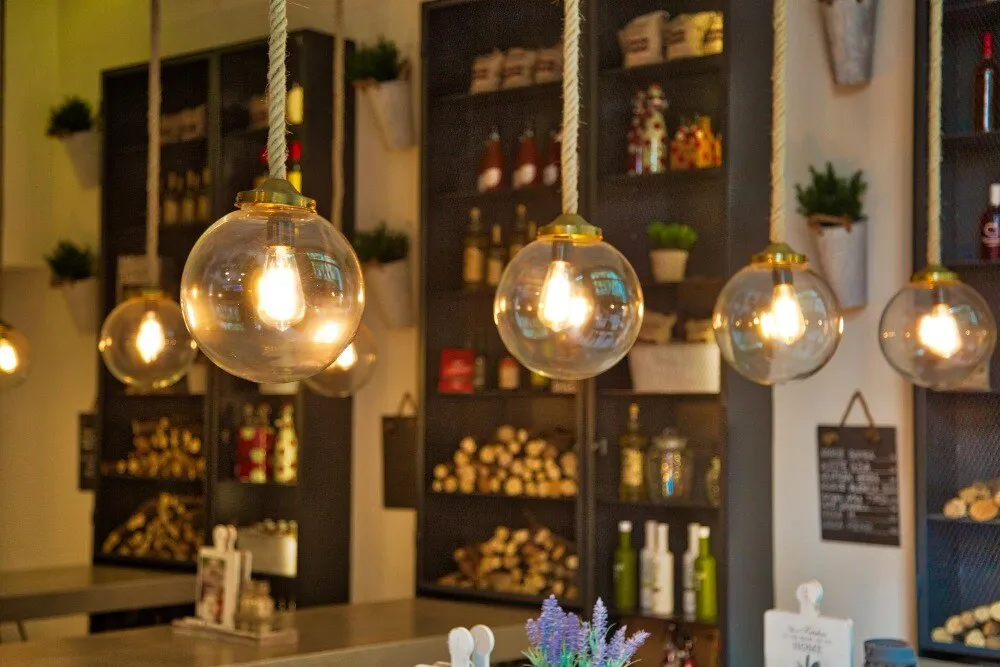
Exposed LED points, clear filament lamps and polished reflectors can hurt diners’ eyes even when measured lux is acceptable. Diffusers and recessed sources reduce glare, but they also reduce output, so approve the sample rather than a catalogue photograph. Require approval for any “equivalent” substitution.
Verify electrical, environmental and maintenance requirements
Confirm the connected load, supply voltage, control method, environmental exposure and service access before approving a bulk order. An attractive fitting becomes an operating problem if its driver cannot be reached, its circuit is overloaded or grease damages its finish.
Ask the electrician and supplier to confirm:
- Total wattage, power factor and cable capacity for each circuit, with separate arrangements for dining, perimeter, signage, kitchen-adjacent and emergency lighting.
- Earthing, junction-box locations, driver voltage compatibility and access for testing or replacement.
- The LED driver’s rated ambient-temperature range, total harmonic distortion, replaceability and location. A remote driver above a sealed ceiling can turn a simple repair into ceiling work.
- The fitting’s cleaning method, ingress protection rating where relevant, material resistance to the restaurant’s detergents and safe isolation procedure.
- The applicable Bureau of Indian Standards registration or licence for the exact model, manufacturer and electrical category. “ISI quality” alone proves nothing.
| Control method | Confirm before ordering | Failure if mismatched |
|---|---|---|
| Phase dimming | Leading-edge or trailing-edge support, dimmer rating and minimum load | Flicker, buzzing or limited dimming |
| 0–10 V | Driver type, two control wires and dimmer compatibility | No response or incorrect dimming |
| DALI or wireless | Driver addressability, gateway and control wiring | Unresponsive fittings or extra commissioning work |
Keep decorative pendants separate from code-required emergency lighting. Specify emergency fittings and their test access independently; dining fixtures cannot replace them. For kitchen-adjacent areas, reject fabric shades or sealed designs that trap grease or require ceiling dismantling for cleaning.
Compare the quotation through a sample installation and supplier schedule
Approve the bulk order only after a restaurant light supplier in Delhi proves the quoted fittings in your space, not just in a catalogue. Request one installed sample at the actual ceiling height, then inspect it from a seated position during daytime and evening conditions.
- Demand a written schedule listing quantity, input wattage, delivered lumens, CCT, CRI, beam angle, IP rating, driver type, dimming protocol, dimensions, mounting method, warranty and replacement-part availability.
- Separate decorative table pendants, ambient lighting, wall or architectural lighting, and code-required emergency lighting. A pendant cannot replace emergency fittings.
- Request the beam-angle data and photometric file. A narrow beam can leave bright pools and dark gaps; a wide beam can spill onto walls and neighbouring diners.
- Confirm the driver, dimmer, minimum load and control wiring together for leading-edge, trailing-edge, 0–10 V, DALI or wireless systems. Otherwise expect flicker, buzzing or lamps that do not start.
| Check | Quotation review | Sample or schedule check |
|---|---|---|
| Light level | Confirm the design target and table lux | Measure after furniture and finishes are installed |
| Substitution | Reject “equivalent” replacements without written approval | Compare glare, colour and distribution |
| Finish | Compare price, lead time and payment terms | Record defects, delivery dates and replacement-part timing |
Before you buy dining lights for restaurant in Delhi, use this same checklist for Kimika Lights and every competing supplier; it makes a lower-priced quote comparable rather than merely cheaper.
Related products
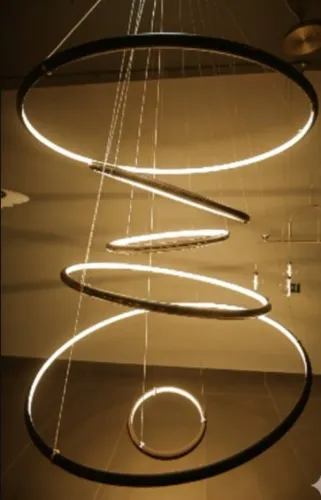
 | Dining Lights – I – Crafted for Elegant Dining Ambience Dining Lights – I – Crafted for Elegant Dining Ambience Dining Lights – I from Kimika Lights brings warmth, charm, and sophistication to your dining space. View product → |
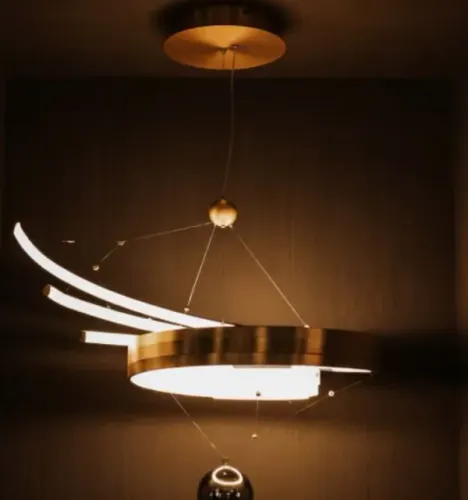
 | Dining Lights – IV – A Touch of Minimal Luxury Dining Lights – IV – A Touch of Minimal Luxury Dining Lights – IV by Kimika Lights embodies refined simplicity with its clean lines, soft illumination, and contemporary elegance. View product → |
Frequently asked questions
What should a restaurant lighting brief include before ordering dining lights in Delhi?
List every zone, its purpose, operating hours, ceiling height, table layout, mounting points and required lighting effect. Include dining areas, bars, waiting spaces, circulation routes, washrooms, kitchens and outdoor areas where relevant.
How do you calculate the quantity of restaurant dining lights?
Start with the target lux level for each zone, then compare the area and required illumination with each fixture’s lumen output. Adjust the layout for beam angle, ceiling height, spacing, surface reflectance and light loss instead of multiplying lights by table count.
Which dining light specifications should restaurants check?
Check colour temperature, colour rendering, glare control, beam angle, mounting height, dimming method, switching zones and control-system compatibility. Confirm that the fixture’s driver and controls work together before placing the order.
How should you compare quotations from a restaurant light supplier in Delhi?
Request a sample installation, fixture schedule, dimensions, wattage, lumen output, colour specification, driver details, warranty terms, delivery scope and installation responsibilities. Compare the written schedule and sample result, not only the total price.
Related products
 | Dining Lights – III – Sophisticated Illumination for Modern Dining Dining Lights – III – Sophisticated Illumination for Modern Dining Dining Lights – III from Kimika Lights offers a perfect balance of style, warmth, and contemporary elegance. View product → |
 | Dining Lights – II – Modern Warmth for Inspired Dining Dining Lights – II – Modern Warmth for Inspired Dining Dining Lights – II by Kimika Lights blends contemporary design with soft, ambient illumination to create the perfect dining experience. View product → |
 | Dinning Lights Kimika Lights brings refined simplicity and warm illumination to any interior. View product → |
 | Pendants – III – Artistic Lighting with Modern Sophistication Pendants – III – Artistic Lighting with Modern Sophistication Pendants – III by Kimika Lights features a contemporary silhouette crafted to enhance both residential and commercial interiors. View product → |
Keywords