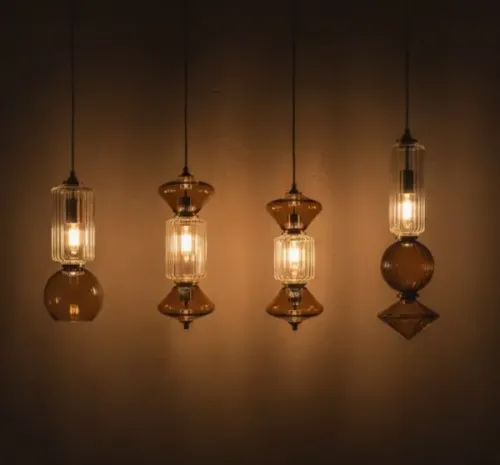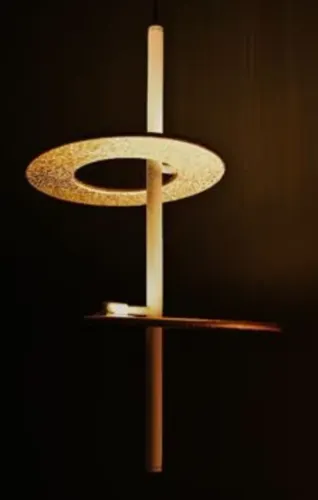
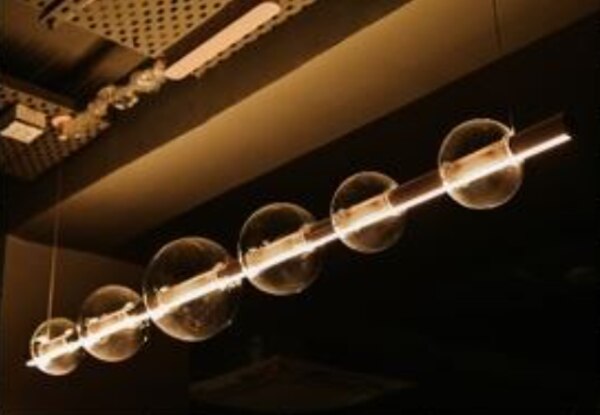
A listing called “Dining Lights – III” does not tell you whether you are buying a three-pendant cluster, a linear fitting or only a three-socket body. Before you pay, you need the fixture’s dimensions, materials, electrical data, installation requirements and complete installed cost so you can compare it with confidence.
Key takeaways
- Confirm the fixture has three sockets or light sources on its specification sheet.
- Choose a dining light three sized to your table, not only your room.
- Compare materials by dust, moisture, cleaning effort and light diffusion.
- Add installation, ceiling hardware and electrical work to the quoted Delhi price.
Confirm what “three” means on the specification sheet
“Three” must describe the light sources or sockets, not simply the seller’s product name. The phrase dining light for three specifications in delhi does not define a standard category, so ask for a written specification sheet before comparing quotations.
1. Confirm whether the fitting has three separate shades, three bulbs supplied, or three lamp sockets with bulbs purchased separately. These are different offers.
2. Check the socket type and bulb base, such as E27 or G9, plus the maximum wattage per socket. A three-socket fitting using low-output bulbs may provide less light than one powerful single pendant.
3. Find the total delivered lumen output, not just the socket count. For a four- to six-seat dining area, 1,500–3,000 delivered lumens is a useful starting range; add ambient lighting if the room is large or dark.
4. Request the overall length, width, height, canopy diameter, cable or rod adjustment range and total fixture weight. A linear fitting around 90–120 cm suits many rectangular tables, while its width should stay within roughly one-half to two-thirds of the table width.
5. Verify colour temperature, voltage, dimmer compatibility and IP rating. Ask which bulbs, if any, are included and whether the stated lumens refer to the complete fitting or one bulb.
On a rectangular table, confirm that the three-light row can run parallel to the table’s long axis. On a round table, check for even triangular spacing; uneven gaps create patchy pools of light. Save the specification sheet with the quotation so “three-light” cannot later mean three sockets without bulbs.
Match the dining light three size to your table
Treat dining light three size as a proportion, not a fixed label. For a rectangular table, begin with a fixture 90–120 cm long; its width should stay within roughly half to two-thirds of the table’s width, so the fitting does not visually overhang the edges.
| Table shape and size | Suitable fixture proportion | Placement |
|---|---|---|
| Rectangular, 150–180 cm long | 90–105 cm long; keep fixture width below 50–67% of table width | Run the long axis parallel to the table |
| Rectangular, 180–240 cm long | 105–120 cm long; centre it over the seating area | Increase length only if the table and room feel visually balanced |
| Round, 100–120 cm diameter | Choose a compact grouping within about half to two-thirds of the tabletop diameter | Arrange three pendants evenly in a triangle or circle |
Hang the lowest part of the pendant 76–91 cm above the tabletop. Start near 85 cm, then adjust for shade opacity, ceiling height and the eye level of people seated at the table; too low interrupts conversation, while too high reduces useful light.
Check the fixture’s overall dimensions, not just the shade size. Include the canopy, rods, cables and any decorative frame when measuring clearance, and centre the fitting over the table rather than the room. A long fitting on a round table looks awkward; three separate pendants work better as an evenly spaced grouping.
Compare dining light three materials by maintenance and light quality
The material changes glare, heat handling, cleaning effort, durability and the fixture’s appearance more than product photographs reveal. For dining light three materials, compare the shade and body separately: a matte finish usually softens reflections, while a glossy finish highlights fingerprints and exposed bulbs.
| Option | Glare and light quality | Heat, cleaning and durability | Appearance |
|---|---|---|---|
| Painted or powder-coated metal | Opaque shades control glare; an open underside can still shine into your eyes. | Easy to wipe, but chips and scratches expose the base metal. Metal helps conduct heat away from LED lamps. | Clean, structured and available in matte, satin or glossy finishes. |
| Clear or ribbed glass | Clear glass creates sparkle but exposes the lamp and produces glare; ribbing diffuses the beam. | Shows fingerprints and Delhi dust. It tolerates LED heat but can crack from impact or careless cleaning. | Polished and bright; clear glass keeps the fitting visually light. |
| Fabric | Diffuses light softly and gives the lowest glare when the bulb is fully covered. | Collects dust and cooking residue, so choose removable shades. Keep fabric away from high-wattage lamps and follow the holder’s maximum rating. | Warm and residential, but it can stain, fade or sag over time. |
Near a kitchen, choose accessible lamp holders and shades you can remove without dismantling the fitting. Check whether the finish is powder-coated, plated or painted, because each has a different scratch and tarnish risk. Keep LED lamps within the stated wattage and leave ventilation around enclosed shades; trapped heat shortens lamp and driver life.
Plan dining light three installation for Delhi ceilings
Plan dining light three installation around the ceiling structure, not the decorative panel. A three-light fitting creates leverage along its length, so plaster, gypsum board or a false-ceiling tile alone cannot safely carry it.
1. Inspect the ceiling above the proposed electrical point. For a concrete slab, identify a sound fixing location; for a false ceiling, ask for a support bracket or threaded rods connected to the slab above. Do not rely on a weak panel.
2. Check that the electrical point is centred over the table and matches the canopy position. Confirm the junction box is firmly secured, the circuit has a wall switch, and the cable exits without crushing or loose connections. Use a qualified electrician for isolation and final wiring.
3. Record the fixture’s total weight, canopy diameter and fixing method before drilling. The bracket, hook or properly supported electrical box must carry the full load, including shades and bulbs.
4. Measure the cable or rod adjustment range against your ceiling height. A short stem can leave a high-ceiling room poorly lit; excess cord needs shortening with secure strain relief. Set the pendant’s lowest point about 76–91 cm above the tabletop, then adjust for shade opacity and eye level.
Before fixing, check that all three shades hang level and that the canopy covers the electrical opening. Ask the installer to demonstrate the final height adjustment before tightening the fittings.
Calculate the real dining light three price in Delhi
The real dining light three price in Delhi is the installed total, not the number printed beside the fixture. Compare quotations using the same specification: three shades or sockets, bulb type, lumen output, dimmer requirement and hanging length.
| Cost item | What to verify | Add to comparison |
|---|---|---|
| Fixture | Body, shades, canopy, cable or rods | Advertised price |
| Light source | Three bulbs or integrated LED modules; base, wattage and replacement cost | Bulbs or LED driver |
| Tax | Whether GST is included and the percentage shown on the quotation | GST amount |
| Delivery | Delhi delivery, packaging and carrying to the room | Delivery charge |
| Hardware | Ceiling hook, support bracket, anchors and false-ceiling reinforcement | Hardware cost |
| Installation | Fitting, wiring, height adjustment and removal of old light | Labour charge |
| Controls | Dimmer, compatible driver or wall switch | Control cost |
Ask Kimika Lights or any Delhi seller to issue one written, itemised quotation rather than comparing catalogue prices alone. A quotation of ₹8,000 that becomes ₹11,500 after bulbs, GST, delivery and installation is costlier than a ₹10,000 all-inclusive offer.
As a market estimate, basic three-light pendants sit around ₹2,000–₹6,000, better-finished models around ₹6,000–₹20,000, and designer, imported or custom pieces at ₹20,000–₹60,000 or more. Treat these as retail bands, not fixed tariffs. Also check the fixture’s weight and required support before accepting an installation quote; reinforcement can change the final cost.
Related product
 | Dining Lights – III – Sophisticated Illumination for Modern Dining Dining Lights – III – Sophisticated Illumination for Modern Dining Dining Lights – III from Kimika Lights offers a perfect balance of style, warmth, and contemporary elegance. View product → |
Frequently asked questions
What does “three” mean in a dining light specification?
Ask the seller to confirm that “three” refers to three light sources or sockets, then request the written specification sheet and check the bulb count, wattage and dimensions.
How do you choose the right dining light three size?
Compare the fixture’s width and length with your dining table. The light should suit the table’s proportions and hang high enough to preserve clear sightlines across it.
Which dining light three materials are easiest to maintain?
Choose materials according to cleaning and light quality. Smooth glass and finished metal are easier to wipe, while textured surfaces, fabric and unfinished materials collect more dust and need gentler care.
What should the dining light three price in Delhi include?
Check whether the quotation includes the fixture, bulbs, ceiling plate, suspension hardware, delivery, installation, electrical changes and any GST or other listed charges.
Keywords