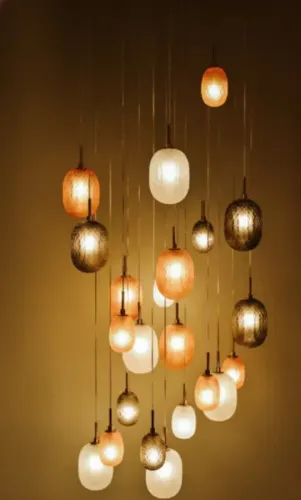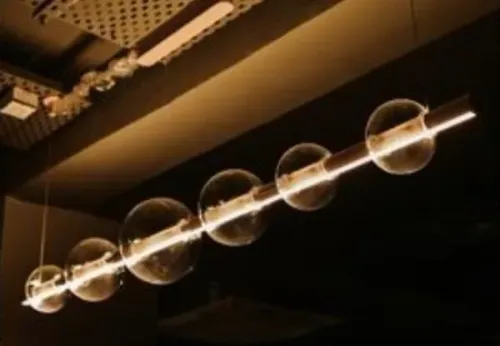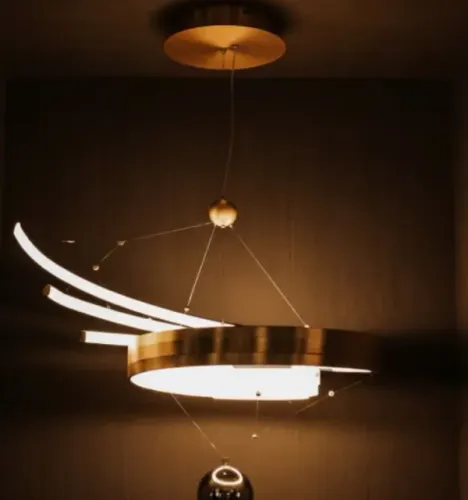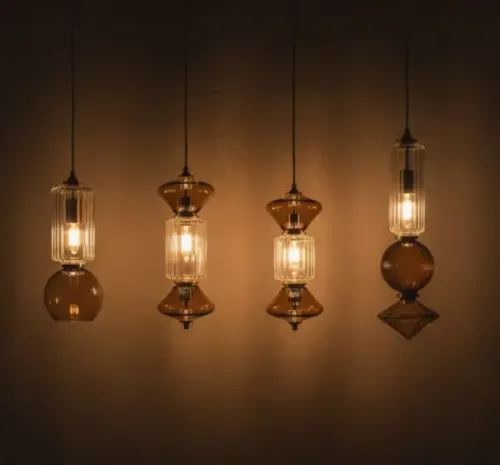
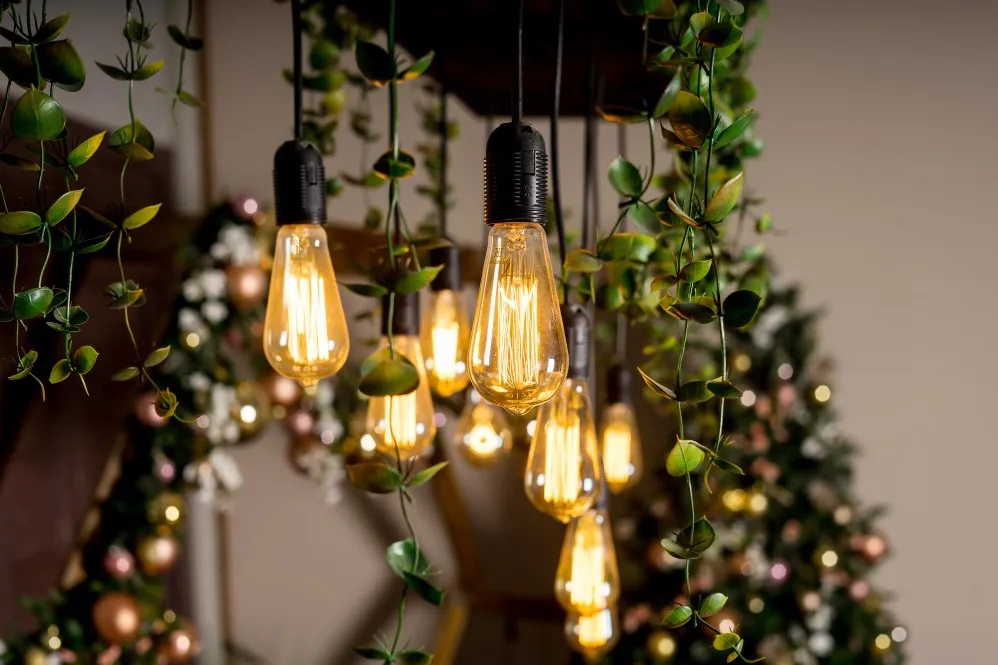
Lighting does more than brighten a room. It influences how spacious, comfortable, luxurious, and visually balanced a home feels. For homeowners in Delhi-NCR, choosing premium decorative lights for homes often means balancing design preferences with room size, ceiling height, furniture placement, energy consumption, and everyday functionality.
A well-planned lighting scheme usually combines three layers: ambient lighting for general brightness, task lighting for specific activities, and accent lighting for visual emphasis. Decorative fixtures become particularly valuable when they contribute to both illumination and interior character.
Start With the Room’s Purpose
Every room needs a different lighting approach. A living room may benefit from a combination of a statement ceiling fixture, wall lights, and concealed lighting. A bedroom generally works better with softer illumination, while kitchens require brighter task-oriented lighting.
Consider these applications:
- Living rooms can use chandeliers, pendant fixtures, wall lights, and floor lamps.
- Dining areas benefit from focused hanging fixtures positioned above the table.
- Bedrooms often suit warm wall lights and bedside lamps.
- Home offices need comfortable, glare-controlled illumination.
- Entryways can use decorative fixtures to create an inviting first impression.
This approach prevents the common mistake of selecting a beautiful fixture without considering how it performs in the room.
Match Lighting With Interior Design
The fixture should complement the existing interior rather than compete with it. Contemporary homes with clean lines often work well with minimal pendant lights, geometric fixtures, or sleek architectural lighting.
Traditional or luxury interiors may accommodate ornate chandeliers, decorative wall fixtures, and metallic finishes. Neutral interiors can also use statement lighting as a focal point without adding excessive colour or decoration elsewhere.
For Delhi-NCR homes, where apartments, villas, builder floors, and independent residences can differ considerably in layout, scale is especially important. A large chandelier that looks appropriate in a spacious drawing room may overwhelm a compact apartment living area.
Pay Attention to Colour Temperature
Colour temperature affects the atmosphere of a room. Warm white lighting generally creates a relaxed and welcoming environment, making it suitable for bedrooms, lounges, and dining spaces. Neutral white can work well in kitchens, study areas, and multifunctional rooms.
The objective is not to use the same colour temperature throughout the home. Instead, lighting should support the intended function and mood of each space.
Consider Energy Consumption
Decorative lighting does not have to mean high electricity consumption. Modern LED technology provides opportunities to combine visual appeal with energy efficiency.
When comparing fixtures, homeowners should look beyond the initial purchase price and consider:
- Wattage
- Expected operating hours
- LED efficiency
- Maintenance requirements
- Replacement frequency
- Light output
Energy-efficient options can be particularly practical for homes where decorative fixtures remain switched on for several hours each evening.
Think Beyond the Fixture
The best lighting plan considers the complete room. Furniture arrangement, ceiling design, wall colours, natural daylight, mirrors, curtains, and artwork can all affect how artificial lighting appears.
Kimika Lights works within the decorative and architectural lighting segment, making the selection process relevant for homeowners, designers, architects, and builders working across Delhi-NCR.
Premium lighting should ultimately provide a balance between appearance, performance, comfort, and longevity. When these factors are considered together, decorative fixtures become an integral part of interior design rather than an afterthought.
A carefully selected lighting scheme can make ordinary spaces feel more refined while ensuring that every fixture serves a clear visual or functional purpose.
Keywords