Luxury residential interiors require lighting that works with architecture, furniture, materials, and everyday lifestyle. Choosing luxury lighting solutions for residential interiors is therefore less about purchasing individual decorative fixtures and more about creating a coordinated lighting environment.
In Delhi-NCR, residential projects range from high-rise apartments and builder floors to independent houses and large villas. Each property presents different requirements, making a standard lighting package unsuitable for every home.
Start With a Lighting Plan
Before selecting fixtures, map the main activities in each room. A living room may require general illumination, reading light, decorative accents, and a statement fixture. A kitchen needs stronger task lighting, while a bedroom usually benefits from softer and more layered illumination.
Creating a basic plan helps identify where different lighting types are required.
A useful residential lighting scheme typically includes:
- Ambient lighting for overall brightness
- Task lighting for functional areas
- Accent lighting for artwork and architectural features
- Decorative lighting for visual character
Combining these layers creates flexibility.
Coordinate Lighting With Architecture
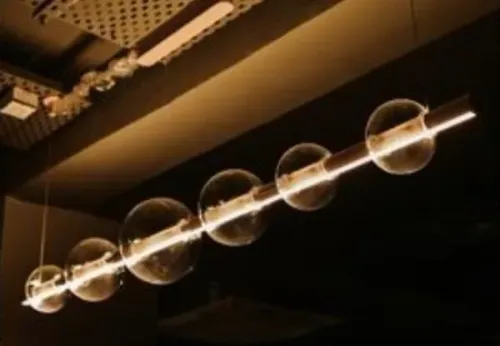
Lighting should respond to architectural details rather than being installed independently. False ceilings, niches, wall textures, staircases, double-height spaces, and decorative panels can all influence fixture selection.
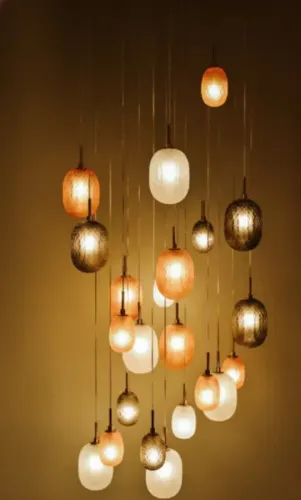
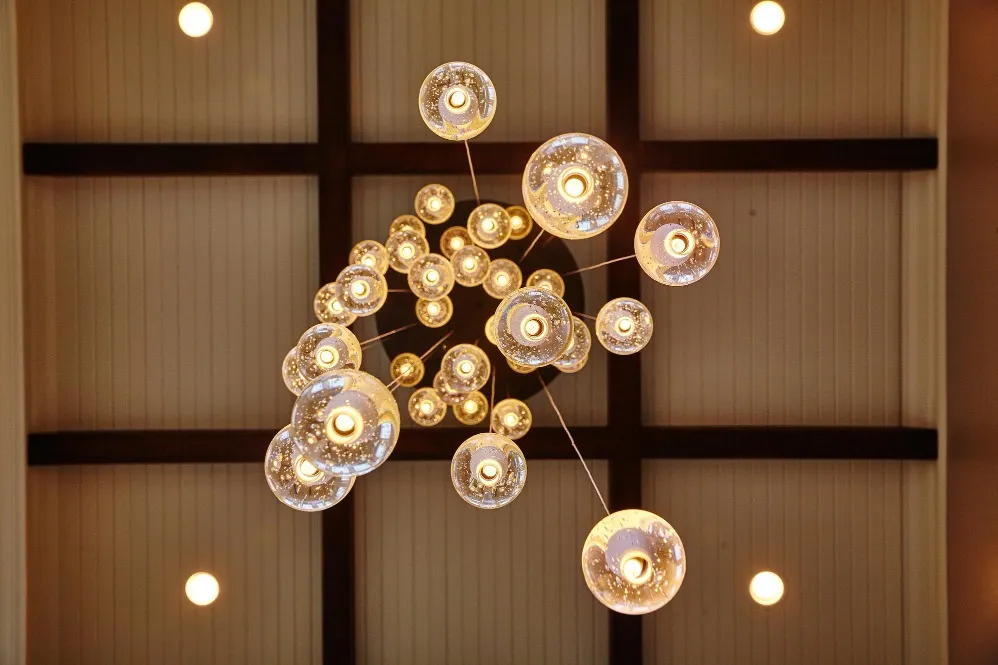
For example, a large chandelier can emphasise a double-height entrance, while concealed lighting can highlight a textured wall. Wall lights can introduce depth along corridors or staircases.
This coordinated approach helps the lighting feel integrated into the home.
Select Fixtures by Room
Different spaces call for different lighting priorities.
Living Room
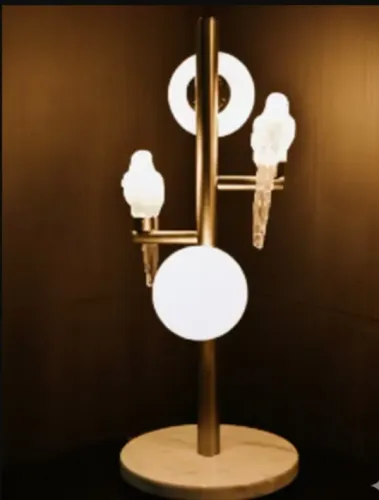
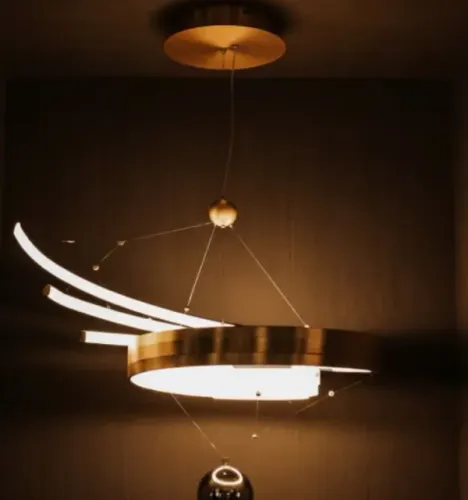
Statement chandeliers, contemporary pendants, wall lights, and floor lamps can be combined to create multiple lighting scenes.
Bedroom
Bedside lamps, decorative wall lights, and concealed illumination can provide a softer atmosphere.
Dining Room
A focused hanging light or chandelier can visually centre the dining table.
Home Office
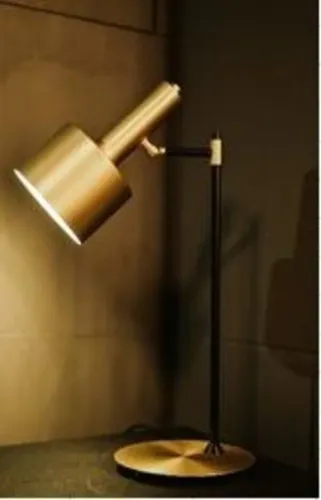
Task lighting should minimise glare while providing enough illumination for reading and computer-based work.
Entrance and Corridors
Decorative wall lights and architectural fixtures can make transitional areas feel intentional rather than overlooked.
Consider Energy Efficiency
Luxury does not have to conflict with energy efficiency. LED technology allows designers to create sophisticated interiors while managing electricity consumption.
When selecting LED fixtures, look beyond wattage. Light output, colour rendering, beam angle, driver quality, and expected operating life can all influence performance.
For homes where multiple decorative fixtures are used daily, energy-efficient lighting can make a meaningful difference over time.
Evaluate Maintenance Requirements
Large decorative fixtures can become difficult to clean or service, particularly when installed at significant heights. Before finalising a design, homeowners should understand how the fixture will be maintained.
Ask about:
- Cleaning access
- Driver accessibility
- LED replacement requirements
- Installation method
- Electrical compatibility
- Warranty and service support
These details are easy to overlook when attention is focused primarily on appearance.
Balance Statement Pieces With Restraint
Luxury interiors do not require every fixture to be elaborate. One carefully selected statement chandelier can have more impact than multiple competing decorative lights.
A good design often combines a few distinctive fixtures with simpler functional lighting. This keeps the interior visually balanced and allows important architectural or furniture elements to remain prominent.
Kimika Lights works across decorative and architectural lighting, making it relevant for residential projects where lighting is expected to support both aesthetics and function.
The right residential lighting solution should feel considered from the moment someone enters the home. It should enhance architectural details, support everyday activities, create atmosphere, and remain practical to operate and maintain.
Keywords