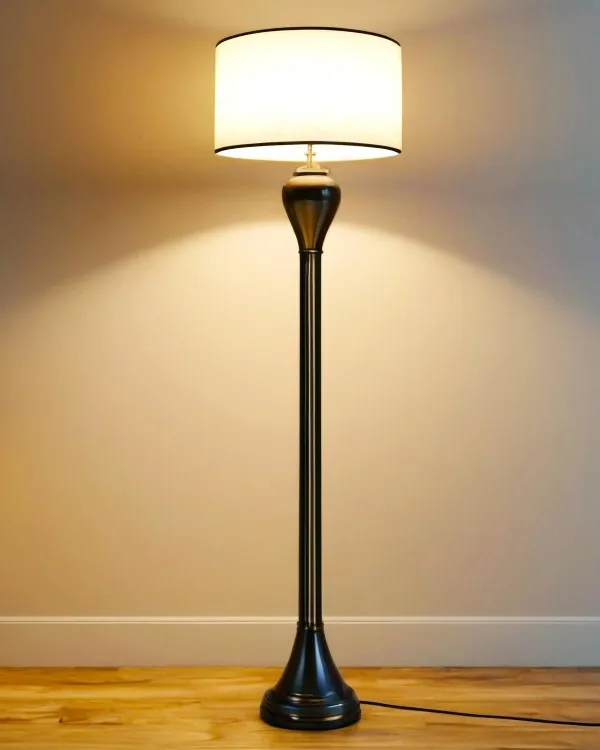
Floor lamps can add height, warmth, and flexibility to contemporary interiors. They are particularly useful when a room needs additional illumination without modifying the ceiling or electrical layout. However, selecting designer floor lamps for contemporary interiors requires attention to proportion, stability, light direction, and placement.
A visually striking floor lamp can become an excellent design element, but an unsuitable one can make a carefully planned interior feel unbalanced.
1: Choosing the Lamp Without Measuring
Floor lamps occupy physical and visual space. Before selecting one, measure the available floor area and consider the height of surrounding furniture.
A tall lamp placed beside a low sofa can create a strong vertical accent, but its shade and arm should not interfere with movement.
In compact Delhi-NCR apartments, floor space can be limited. A slim-profile lamp may therefore be more appropriate than a broad decorative structure.
2: Ignoring the Light Direction
Not every floor lamp serves the same lighting purpose.
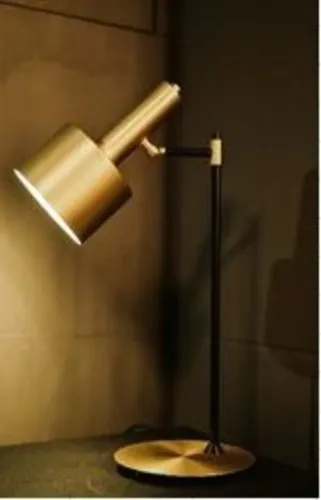
An upward-facing lamp can provide indirect ambient illumination. An adjustable arm can support reading or focused activities. A shaded lamp may create softer decorative light.
Think about what the corner needs before choosing the design.
For example, a reading area beside a lounge chair requires a different solution from an empty corner that simply needs visual enhancement.
3: Prioritising Appearance Over Stability
A floor lamp should remain stable during everyday use. This becomes especially important in homes with children, pets, or high-traffic areas.
Check the base dimensions and overall construction. A visually delicate fixture should still have sufficient stability for its intended environment.
4: Creating Too Many Focal Points
A designer floor lamp can become a statement piece, but it should not compete with every other decorative element.
If the living room already features a large chandelier, artwork, patterned furniture, and decorative wall lighting, a simpler floor lamp may create better balance.
Lighting should support the hierarchy of the interior rather than make every corner visually dominant.
5: Using the Wrong Colour Temperature
The lamp's colour temperature affects the atmosphere. Warm light generally works well for lounges, reading corners, and bedrooms where comfort is important.
If the floor lamp is being used for detailed work, a different lighting specification may be more suitable.
The lamp should also coordinate with other fixtures in the room so the space does not appear divided by dramatically different light colours.
6: Forgetting Cable Placement
Cable management is often overlooked. A well-designed lamp can look untidy if the electrical cable crosses a walkway or remains visibly tangled.
Position the lamp near an appropriate power source and plan the cable route before final placement.
Where Floor Lamps Work Best
Contemporary floor lamps can be used beside sofas, lounge chairs, beds, bookshelves, consoles, and home-office seating. They can also fill visually empty corners without requiring construction work.
For Delhi-NCR interiors, they can be particularly useful in apartments and renovated homes where changing electrical points may not be practical.
Kimika Lights works within decorative and architectural lighting, making floor lamps a relevant part of broader interior lighting considerations.
The strongest floor lamp choice combines design, scale, stability, light quality, and practical placement. Avoiding these common mistakes makes it easier to select a fixture that remains useful and visually appropriate for years.
Keywords