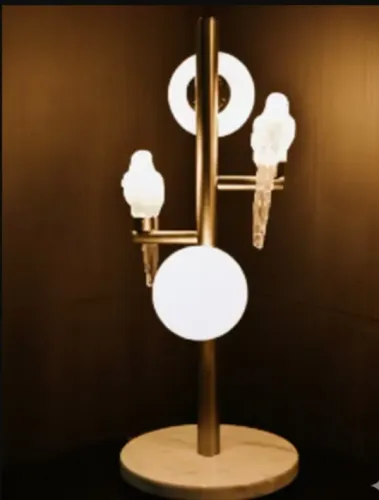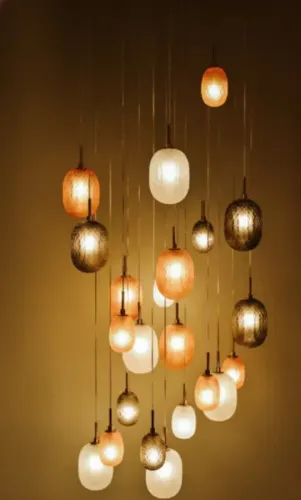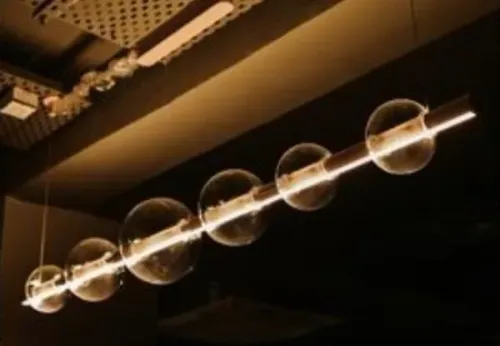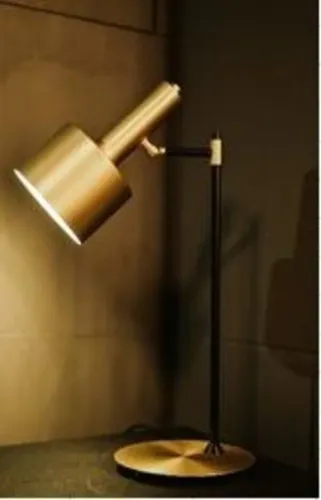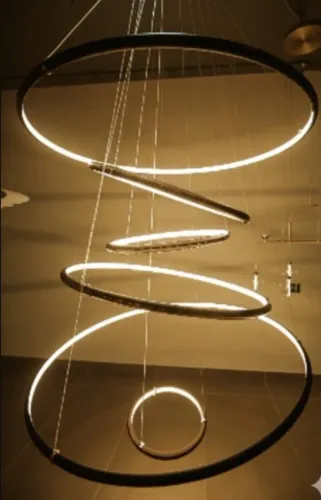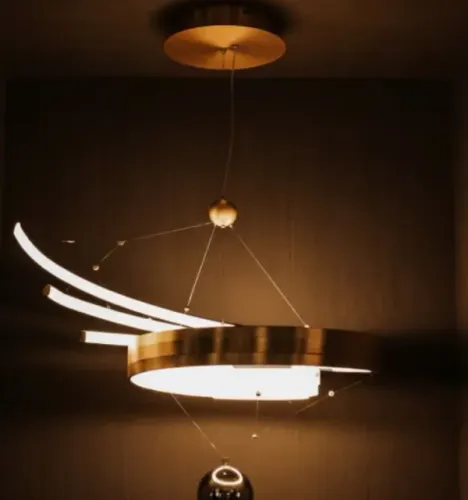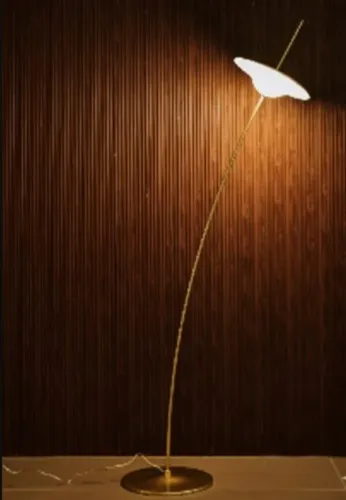
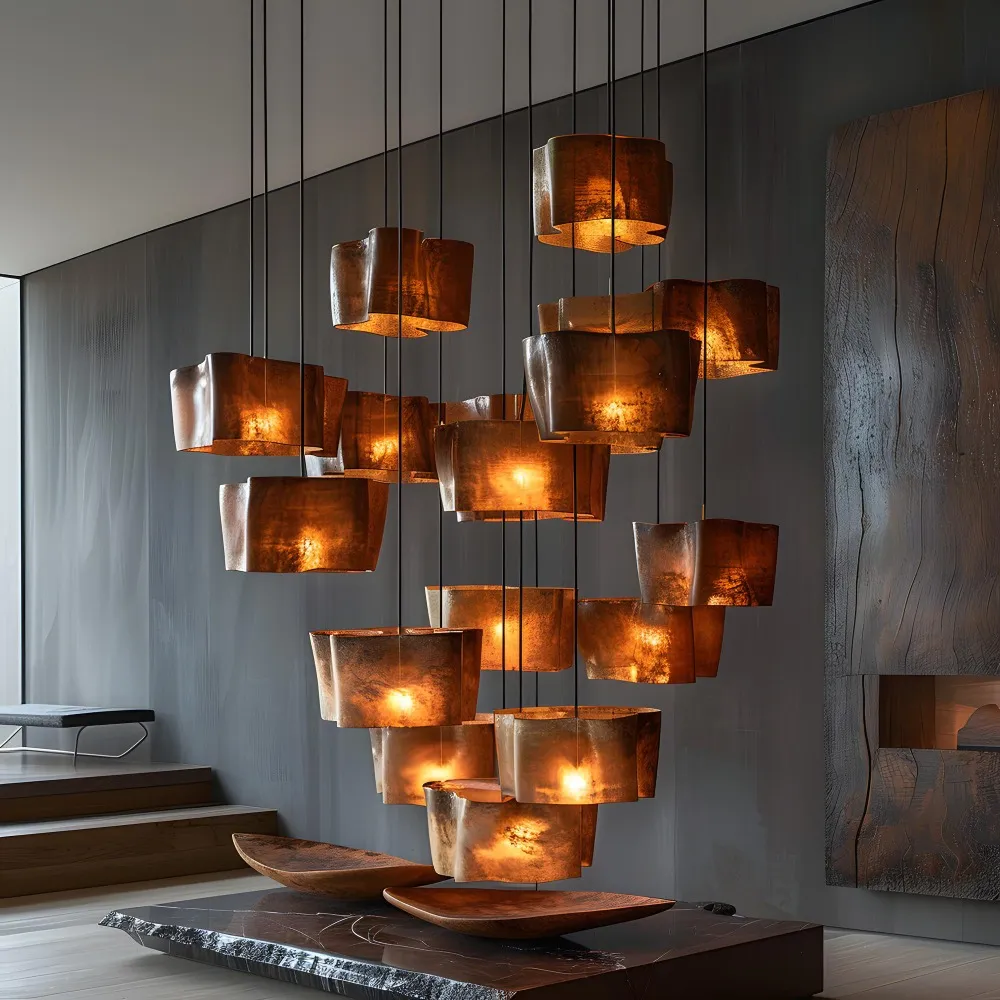
Modern interiors often rely on simplicity, clean surfaces, carefully selected materials, and controlled visual details. In such spaces, designer fancy lights for modern interiors can become one of the most effective ways to introduce personality without overcrowding the décor.
The challenge is selecting fixtures that look distinctive while remaining consistent with the architecture and furniture. A decorative light should feel like part of the design rather than an isolated object.
Understand the Modern Lighting Aesthetic
Modern lighting does not necessarily mean plain or minimal. Contemporary fixtures can feature unusual silhouettes, layered forms, metallic finishes, glass elements, or artistic geometry.
Some popular design directions include:
- Linear pendant fixtures
- Sculptural hanging lights
- Geometric chandeliers
- Minimal wall fixtures
- Circular and ring-shaped lights
- Slim profile ceiling fixtures
- Decorative table and floor lamps
The right choice depends on the proportions and visual language of the room.
Scale Matters More Than Decoration
One of the most common lighting mistakes is selecting a fixture based solely on appearance. A light that looks impressive in a showroom may not suit a particular room.
Measure the room before selecting the fixture. Ceiling height is particularly important for hanging lights. A low ceiling may require a compact or semi-flush design, while a double-height space can accommodate larger suspended fixtures.
For dining areas, the fixture should relate to the table dimensions. In living rooms, a central decorative light should complement the seating arrangement without obstructing movement or sightlines.
Create a Visual Focal Point
Designer lighting can help direct attention toward a specific part of an interior. A sculptural pendant above a dining table, for example, can define the dining zone within an open-plan layout.
Similarly, wall lights can draw attention to artwork, textured walls, architectural features, or decorative niches.
This is particularly useful in Delhi-NCR homes where open layouts are common in apartments, premium residences, and contemporary builder floors. Instead of using decorative lighting everywhere, designers can strategically position a few strong fixtures.
Coordinate Finishes
Lighting finishes should work with the room's existing materials. Black fixtures can complement modern monochrome interiors, while brass or gold finishes may add warmth to luxury spaces.
Glass and crystal elements can provide visual lightness, whereas darker metals can create stronger contrast.
Coordination does not mean every metal finish must match exactly. A well-designed interior can combine finishes when there is a deliberate relationship between them.
Check the Light Quality
A designer fixture still needs to provide comfortable illumination. Before purchasing, consider the colour temperature, brightness, beam distribution, and glare.
For decorative fixtures using exposed bulbs, the bulb itself becomes part of the visual design. Selecting the wrong bulb can make an otherwise sophisticated fixture appear harsh or uncomfortable.
For spaces used frequently, LED-based solutions can also reduce energy consumption while maintaining consistent illumination.
Where Designer Lighting Works Best
Modern decorative fixtures can be used in several areas:
- Living rooms as statement pieces
- Dining rooms for focused illumination
- Bedrooms for softer ambience
- Foyers for visual impact
- Home offices for functional accent lighting
- Corridors to break up long walls
- Staircases to highlight architectural form
Kimika Lights serves the decorative and architectural lighting segment, offering a relevant reference point for designers and homeowners evaluating lighting options for Delhi-NCR projects.
The best designer light is not necessarily the most elaborate one. It is the fixture that fits the room, supports the intended atmosphere, provides suitable illumination, and remains visually relevant as the interior evolves.
Keywords