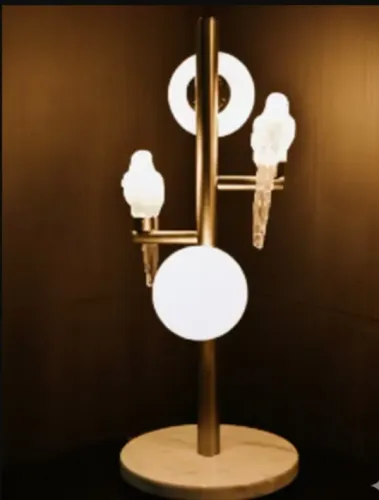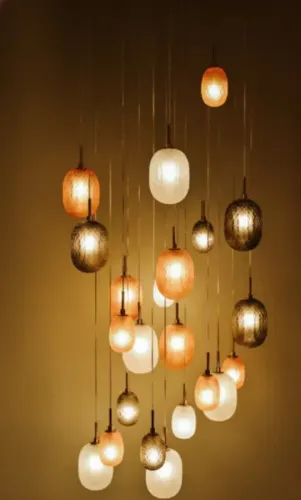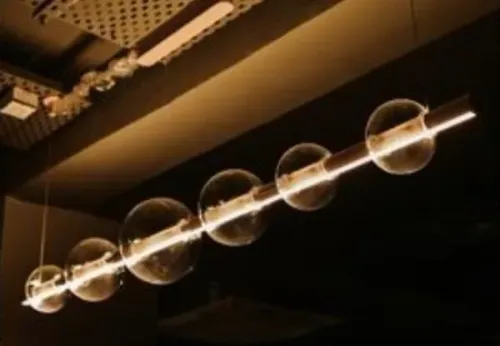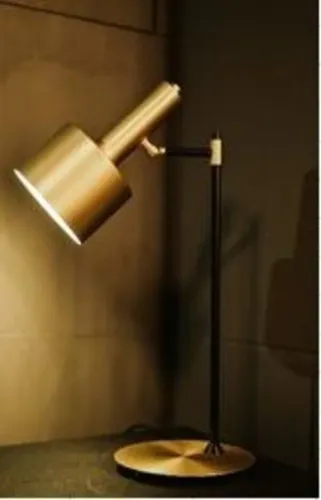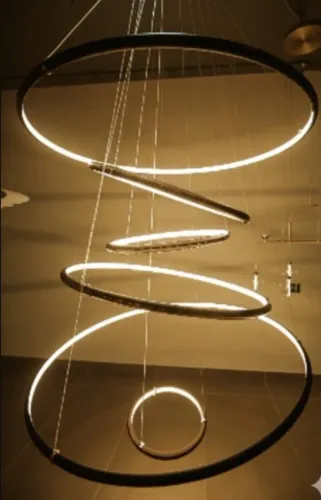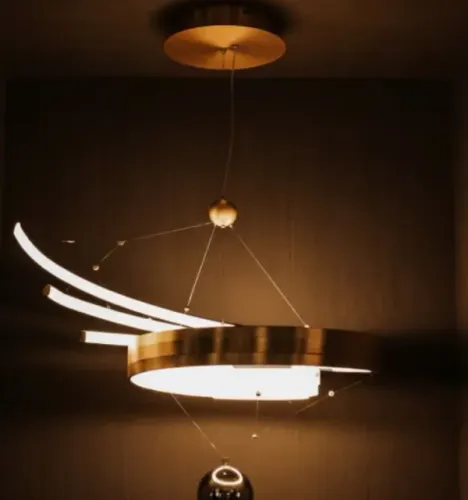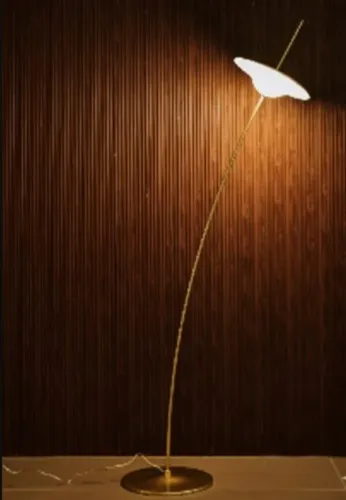
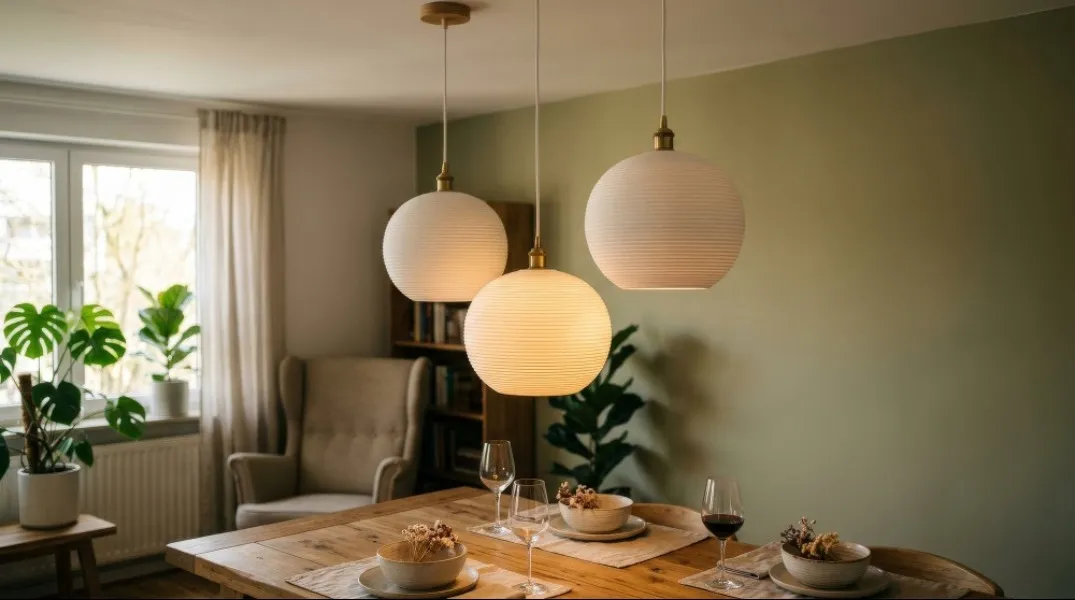
The living room is often the visual centre of a home, making lighting selection especially important. Contemporary hanging lights for living rooms can provide illumination while creating a strong decorative focal point, particularly in modern apartments, villas, and premium residences across Delhi-NCR.
However, a pendant or hanging fixture needs careful planning. Its size, height, shape, brightness, and position can influence the entire room.
Choose the Fixture According to Ceiling Height
Ceiling height should be one of the first considerations. A suspended fixture needs enough clearance to avoid becoming an obstruction.
For standard-height living rooms, compact pendant designs or fixtures with shorter suspension systems can be more practical. Double-height areas offer greater flexibility and can accommodate larger statement pieces.
Before installation, consider how people move through the room. The fixture should enhance the space without interfering with circulation or creating a visual obstruction.
Consider the Seating Arrangement
A hanging light does not always need to be positioned directly at the centre of the room. In an open-plan interior, it can be positioned above a specific zone.
For example, a pendant may be used above:
- A centre table
- A reading corner
- A seating cluster
- A decorative console
- A transition area between living and dining spaces
This approach creates visual zoning without requiring physical walls.
Select the Right Shape
Contemporary lighting comes in many forms. Linear designs can complement rectangular furniture, while circular or ring-shaped fixtures can soften interiors dominated by straight lines.
Clustered pendants are useful when a larger visual statement is required. Sculptural designs can work particularly well in minimalist rooms where furniture and wall décor are intentionally restrained.
The shape should complement the room's existing geometry rather than introduce unnecessary visual complexity.
Get the Light Distribution Right
A decorative fixture should not be evaluated only by its appearance. Consider where its light travels.
Some hanging lights direct illumination downward, making them useful for tables or specific zones. Others diffuse light through glass or translucent materials, creating a softer glow.
For a living room that already has recessed or concealed lighting, a decorative hanging fixture may function primarily as an accent. If it is expected to provide most of the room's illumination, brightness and distribution become much more important.
Think About Colour Temperature
Warm lighting generally creates a comfortable atmosphere in living spaces. It can complement wooden furniture, textured walls, neutral upholstery, and warm-toned décor.
Cooler light can feel more energetic but may not always provide the desired residential ambience. The best choice depends on the interior palette and how the room is used.
Avoid Common Installation Mistakes
Several problems can reduce the impact of an otherwise attractive hanging fixture:
- Installing it too low
- Selecting a fixture that is too large for the room
- Ignoring existing ceiling lights
- Creating excessive glare
- Choosing a colour temperature inconsistent with other fixtures
- Placing the light where it interferes with movement
For projects in Delhi-NCR, designers and homeowners should also account for the specific ceiling structure, electrical points, false ceiling design, and furniture layout before finalising the fixture.
Kimika Lights focuses on decorative and architectural lighting, making contemporary hanging fixtures relevant for residential interiors where aesthetics and functionality need to work together.
A successful living room lighting plan is rarely based on one fixture alone. The strongest results come from combining ambient, task, and decorative lighting so that the hanging light becomes part of a coordinated environment.
Keywords