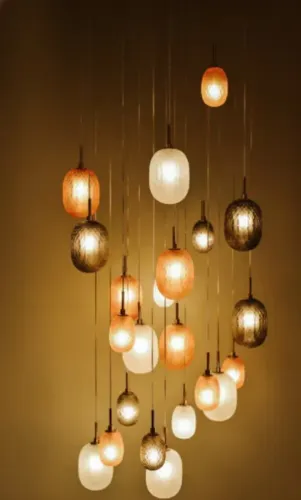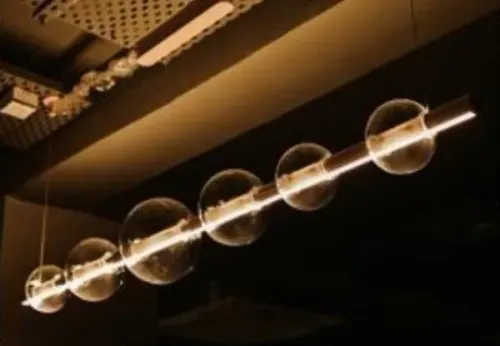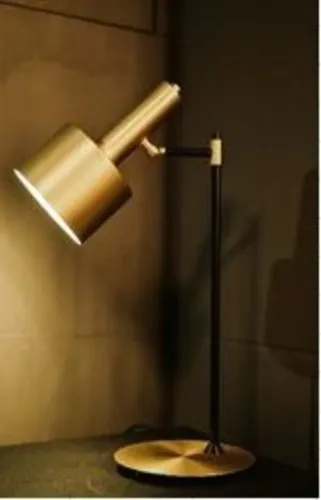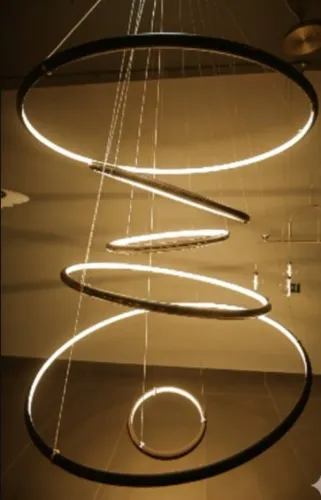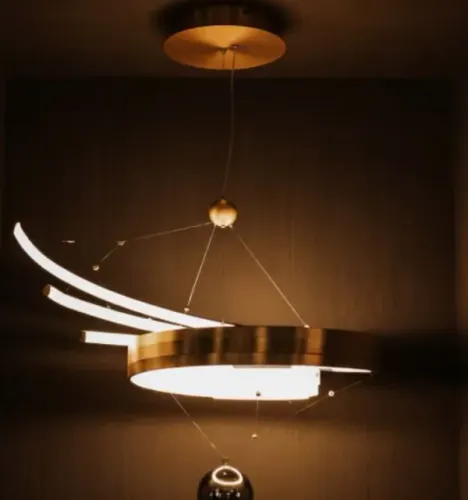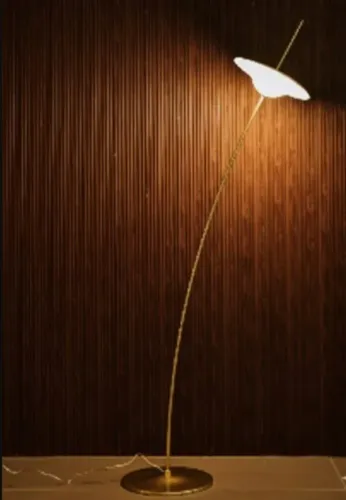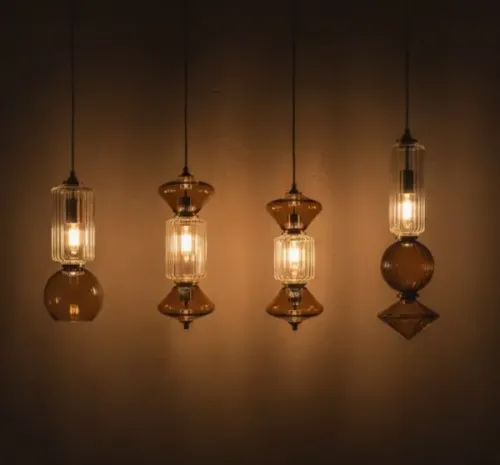
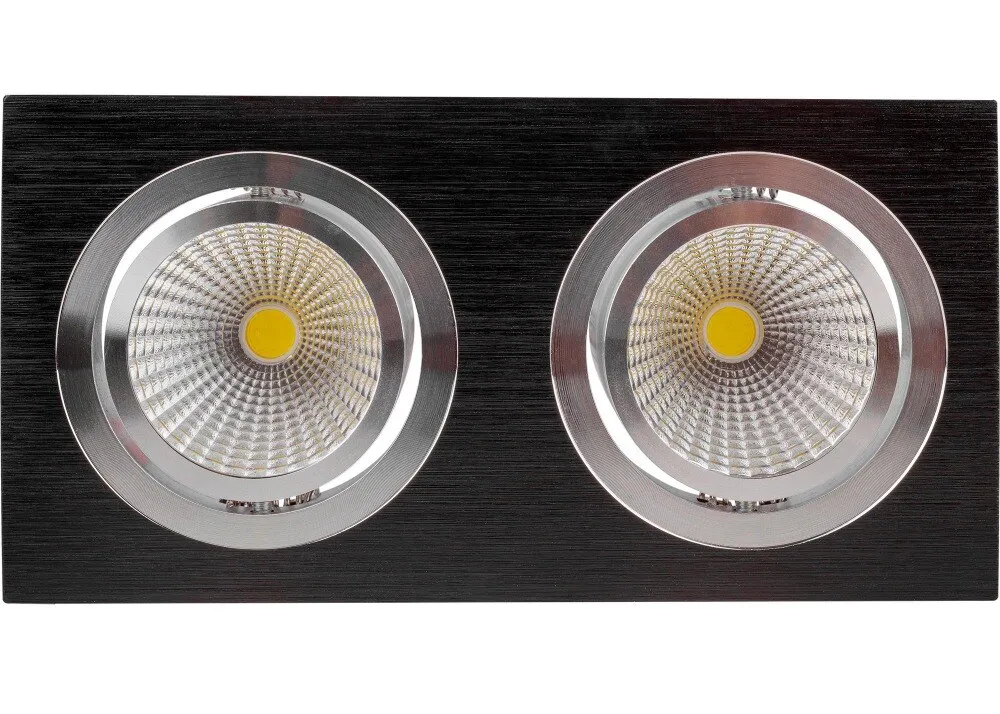
A restaurant needs more than a decorative centrepiece: diners must see food clearly, staff must move safely, and the lighting must remain comfortable across tables, walkways and service areas. By the end, you will know how to specify COB fixtures, assess a chandelier, plan their positions and compare quotations for a Delhi restaurant.
Key takeaways
- Choose COB fixtures for smooth, controlled light over tables and food.
- Compare beam angle, colour temperature, CRI, wattage, and glare control.
- Keep chandelier height, table spacing, cleaning access, and heat in the plan.
- Demand a quotation that names every fixture, control, installation, and warranty detail.
What COB Lighting Adds to a Restaurant Chandelier Scheme
COB means chip-on-board: multiple LED chips are mounted directly on one substrate and covered by a single phosphor layer. Unlike a lamp made from separate visible diodes, a COB light creates a compact, continuous-looking source. A lens or reflector then shapes that source into a controlled beam for tables, food presentation, or architectural details.
A restaurant chandelier should supply decorative sparkle and selected accent light, not all the useful illumination. Separate the jobs:
- COB downlights provide consistent ambient light so guests can move and dine safely.
- COB spotlights add focused table or wall illumination without making the chandelier excessively bright.
- The chandelier supplies visual identity, glow, and sparkle that support the restaurant’s atmosphere.
Coordinate the layers through dimming scenes. Keep the COB system bright enough for comfortable dining when the chandelier is dimmed, then raise the chandelier for arrival, evening service, or special events. Matching colour temperature and colour-rendering quality prevents the chandelier from making food look noticeably different from nearby tables.
A compact COB source also reduces the scattered shadows produced by multiple small bulbs, but a narrow beam aimed at eye level creates glare. Use shielding, careful aiming, and a cleanable lens.
For cob lights with an artistic chandelier for restaurants in delhi, specify the intended lighting role of every fitting instead of approving “COB” or “designer chandelier” as if either term guarantees performance.
The COB Specifications That Determine Real Performance
Two 10 W cob lights can produce different brightness, spread and colour. Compare delivered lumens and total system watts, not chip wattage alone: optics, drive current, heat management and driver losses change the result. For a chandelier restaurant in Delhi, request these figures in writing.
| Specification | Compare | Why it matters |
|---|---|---|
| Delivered output | Lumens after the lens, plus system watts | Shows useful efficiency, not nominal chip power |
| Beam angle | Narrow spot, medium beam or wide flood | Determines pool size and overlap on tables |
| Colour | 2700–3000 K and consistent colour bin | Warmer light suits dining; mismatched fittings look patchy |
| Colour rendering | CRI 90 or higher; R9 value included | Makes food, skin and wood appear credible |
| Dimming | Tested driver, dimmer or DALI/0–10 V system | Prevents flicker, noise, dead travel and minimum-load failures |
| Glare control | Deep-set COB, shielding angle or diffuser | Stops bright points entering seated diners’ eyes |
| Rated life | L70 hours and warranty conditions | Separates useful maintenance expectations from marketing |
Specify maintained illuminance at tables and circulation routes, measured at the installed mounting height. Ask for the aiming limit and a lighting calculation; a high lumen figure is useless if the beam misses the table.
Require cleaning access for lenses and crystals, plus a documented driver-replacement route. Test ambient, table and decorative scenes together, so dimming the chandelier leaves enough practical light for diners.
How to Position COB Fixtures and a Chandelier Over Tables
Centre the chandelier on the dining table, not on the room, and let COB fixtures provide the dependable illumination around it. For restaurant chandelier lighting in Delhi, start with maintained illuminance of about 200–300 lux on tabletops and 100–150 lux along circulation routes, then adjust scenes for the restaurant’s mood.
1. Draw the table and walkway plan before placing lights. Keep COB downlights or adjustable spots between table groups so their beams overlap gently without creating competing bright pools.
2. Select spacing from the beam angle and ceiling height, not from a fixed grid. At a 3-metre ceiling, a 24–36-degree beam needs careful aiming; tilt each fitting only as far as needed to reach the table centre, keeping the beam away from seated eyes.
3. Suspend the chandelier centrally, with its lowest point about 750–900 mm above the tabletop. Choose a fixture diameter near half to two-thirds of the table width, leaving sightlines open across the dining room.
4. Test the layout from seated eye height and from both main walking approaches. Glossy tables, glassware and polished floors expose glare that a ceiling plan will miss.
5. Put ambient COB lighting and table-focused COB lighting on separate dimming circuits from the chandelier. Specify tested driver, dimmer and LED-load compatibility, then create dining, cleaning and full-light scenes.
Transfer the chandelier’s weight to the slab or a designed support frame, never gypsum alone. Keep drivers reachable for replacement, and document cable routes and cleaning access before closing the ceiling.
How to Make an Artistic Chandelier Practical for Delhi Conditions
Judge it as a maintained lighting system, not as sculpture. An artistic chandelier for restaurant in delhi is practical only when its structure, cleaning routine, replacement access and visual performance are documented before installation.
1. Confirm the load path. Record the chandelier’s mass, suspension points, cable routing and any vibration or seismic considerations, then transfer the load into the building structure or a designed support frame. Never hang it from gypsum board alone.
2. Inspect every surface from floor level and from a ladder. Prefer smooth, wipeable components with removable shades or crystals, sealed COB optics and no narrow dust traps above diners. Specify the cleaning method, access equipment and cleaning frequency; grease and Delhi dust quickly dull decorative finishes.
3. Demand a service plan. Place drivers, junctions and control gear where a technician can reach them without dismantling the entire fitting. Record the driver model, replacement route and minimum-load requirement, and test the driver, dimmer and LED load together for audible noise, flicker and dead travel.
4. Check comfort at the table, not only in photographs. Keep warm-white dining light near 2700–3000 K, control exposed glare, and separate ambient and table illumination from decorative sparkle. The chandelier should dim without leaving the room unusably dark; confirm maintained illuminance at tables and circulation routes.
Reject a design described only as “designer chandelier” or “COB light.” Approve it after the drawings state mounting height, aiming limits, colour-rendering target, dimming scenes and cleaning access.
How to Compare Quotations and Specify the Finished Lighting System
Do not approve a supplier’s design from fixture wattage or a rendered image. For cob lights with an artistic chandelier for restaurants in Delhi, demand a room-by-room schedule showing maintained illuminance at tables and circulation routes, mounting heights, aiming limits, glare control, colour temperature, CRI target, dimming scenes and total system watts.
Kimika Lights can be assessed on the same evidence as any supplier.
Compare quotations on these dimensions:
| Item | Require in the quotation | Why it matters |
|---|---|---|
| Delivered light | Lumens at the table, beam angle and spacing | Two 10 W COB fixtures can light different areas |
| Colour | CCT, CRI and stated tolerance | Food and finishes change appearance under different spectra |
| Electrical system | Driver type, dimming protocol, power factor and driver losses | The COB rating excludes part of the installed load |
| Durability | Warranty exclusions, rated life and replacement terms | Heat, grease and dust can shorten practical service life |
For a cob lights and chandelier restaurant in Delhi, require these installation documents before signing:
- Reflected ceiling plan showing COB positions, chandelier diameter, suspension height and sprinkler, detector, signage and emergency-light clearances.
- Structural detail transferring the artistic chandelier for restaurant in Delhi to the slab or designed frame, not gypsum board; include mass, support points, cable route and driver-access method.
- Scene schedule separating ambient, table/task and decorative channels, so dimming restaurant chandelier lighting in Delhi does not leave diners in darkness.
- Cleaning instructions and safe access for lenses, diffusers and crystals, plus Delhi approval and fire-safety coordination.
Related products
 | Dining Lights – I – Crafted for Elegant Dining Ambience Dining Lights – I – Crafted for Elegant Dining Ambience Dining Lights – I from Kimika Lights brings warmth, charm, and sophistication to your dining space. View product → |
 | Dining Lights – III – Sophisticated Illumination for Modern Dining Dining Lights – III – Sophisticated Illumination for Modern Dining Dining Lights – III from Kimika Lights offers a perfect balance of style, warmth, and contemporary elegance. View product → |
Frequently asked questions
What does COB lighting add to a restaurant chandelier scheme?
COB lighting creates a compact, continuous-looking source that can deliver controlled beams for tables, food presentation, and architectural details alongside a decorative chandelier.
Which COB specifications determine real performance?
Compare beam angle, colour temperature, colour rendering index, wattage, lumen output, glare control, dimming compatibility, and the fixture’s heat-management design.
How should you position COB fixtures and a chandelier over tables?
Place the chandelier as the visual centre above the dining zone, then aim COB fixtures to light table surfaces without creating glare or harsh shadows for diners.
How can you make an artistic chandelier practical for Delhi conditions?
Specify accessible cleaning points, secure mounting, suitable heat management, compatible controls, and a maintenance plan that accounts for dust, kitchen air, and regular restaurant use.
How should you compare restaurant lighting quotations in Delhi?
Check that each quotation lists fixture models, beam angles, colour temperature, CRI, controls, wiring, mounting, installation, testing, warranty terms, and maintenance responsibilities.
Related products
 | Chandelier-IV – Contemporary Art in Illumination Chandelier-IV – Contemporary Art in Illumination Chandelier-IV from Kimika Lights redefines modern elegance with its sleek geometry, refined materials, and seamless lighting effect. View product → |
 | Chandelier Chandelier Kimika Lights offers a refined blend of modern style and functional illumination. |
 | Dining Lights – IV – A Touch of Minimal Luxury Dining Lights – IV – A Touch of Minimal Luxury Dining Lights – IV by Kimika Lights embodies refined simplicity with its clean lines, soft illumination, and contemporary elegance. View product → |
 | Chandelier-II – A Statement of Modern Luxury Chandelier-II – A Statement of Modern Luxury Chandelier-II from Kimika Lights combines contemporary artistry with exquisite craftsmanship to transform any space into a visual masterpiece. View product → |
Keywords