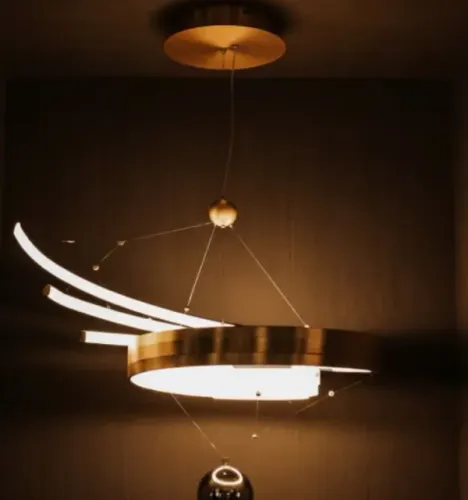
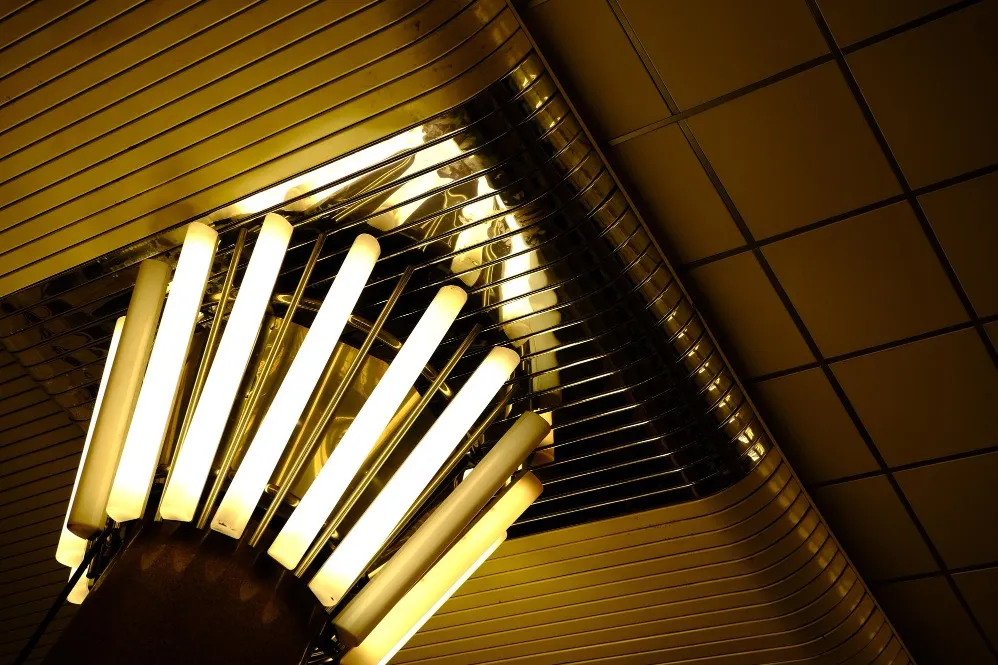
Architectural lighting is increasingly used to shape how buildings and interiors are experienced. Unlike purely decorative fixtures, architectural lights are often selected to emphasise form, structure, surfaces, circulation, and functional zones.
For commercial and residential projects in Delhi-NCR, architectural lights can be used across offices, retail stores, hospitality spaces, residences, showrooms, restaurants, and mixed-use developments. The key is matching the lighting system to the building's purpose.
What Is Architectural Lighting?
Architectural lighting refers to lighting planned around the physical characteristics and functions of a space. Instead of treating the light fixture as the main visual object, the design often focuses on the effect produced by the light.
This may involve:
- Highlighting walls or textures
- Accentuating ceilings
- Defining circulation paths
- Illuminating work areas
- Emphasising architectural forms
- Creating visual hierarchy
- Supporting brand identity
The result can be subtle or dramatic depending on the project.
Residential Applications
In homes, architectural lighting can enhance areas that might otherwise receive limited visual attention.
For example, recessed fixtures can create clean ceiling illumination, while linear lights can emphasise cabinetry or architectural edges. Wall grazing can highlight textured surfaces, stone, wood, or decorative panels.
Staircases are another useful application. Carefully positioned lighting can improve visibility while giving the staircase a stronger architectural presence.
Commercial Applications
Commercial spaces often need lighting to support both customer experience and business operations.
Retail environments may use accent lighting to highlight products. Offices need comfortable illumination for workstations and meeting areas. Restaurants may use layered lighting to establish atmosphere while maintaining adequate visibility.
Showrooms and hospitality projects frequently require flexible lighting because different areas serve different purposes throughout the day.
Why Beam Angle Matters
Beam angle determines how broadly or narrowly light spreads across a surface. A narrow beam can create a concentrated highlight, while a wider beam provides more general coverage.
Choosing the wrong beam angle can produce dark patches, excessive glare, or uneven illumination.
For architectural projects, designers should consider the distance between the fixture and target surface, surface colour, ceiling height, and desired visual effect.
Colour Rendering Is Also Important
Colour rendering affects how accurately surfaces and objects appear under artificial light. This becomes particularly important in retail, hospitality, galleries, residential interiors with artwork, and spaces using natural materials.
A lighting system should support the visual characteristics of the environment rather than distort them.
Commercial and Residential Requirements Differ
A residential project may prioritise comfort and ambience, while a commercial project can place greater emphasis on operational efficiency, maintenance, flexibility, and visual merchandising.
Builders and project managers should therefore evaluate lighting at the planning stage rather than treating it as a final decorative decision.
In Delhi-NCR, where new residential developments, commercial interiors, retail projects, and renovation work continue across varied property types, architectural lighting can provide a practical way to combine design and functionality.
Kimika Lights operates within the decorative and architectural lighting segment, serving requirements where lighting needs to complement the overall project design.
The most effective architectural lighting is rarely about adding more fixtures. It is about understanding what deserves attention, how people use the space, and how light can improve both visual experience and practical performance.
Keywords