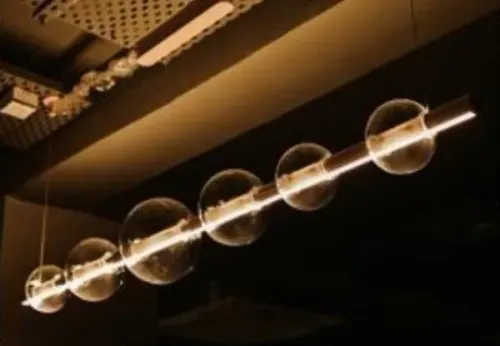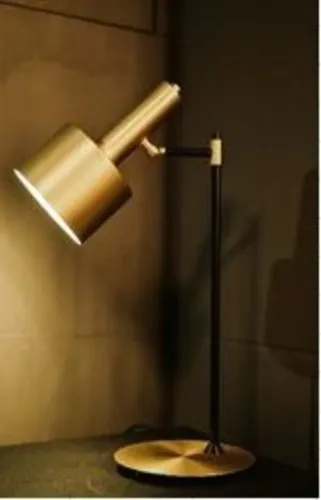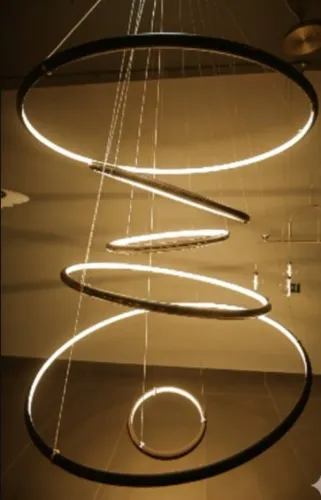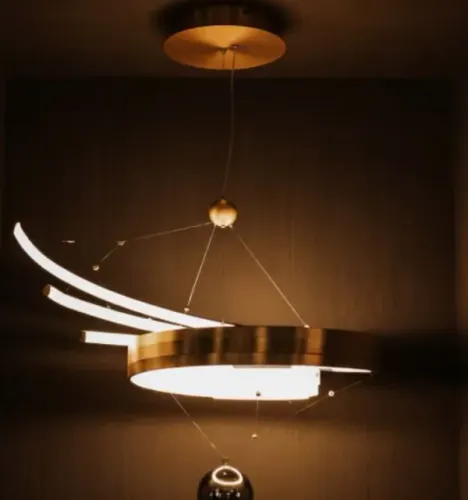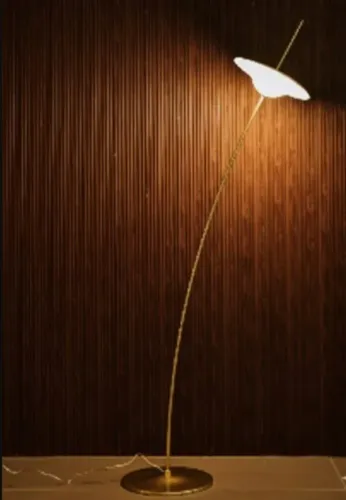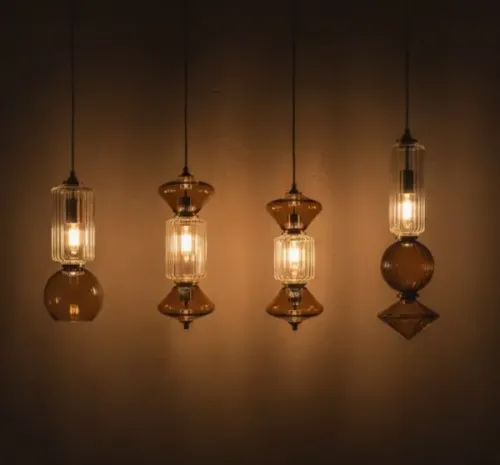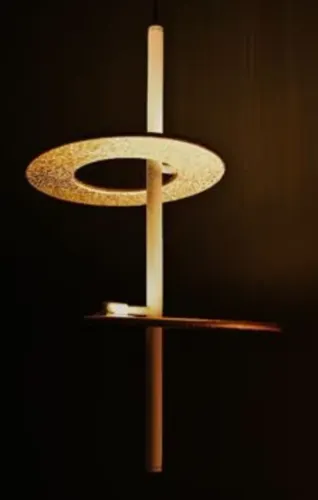
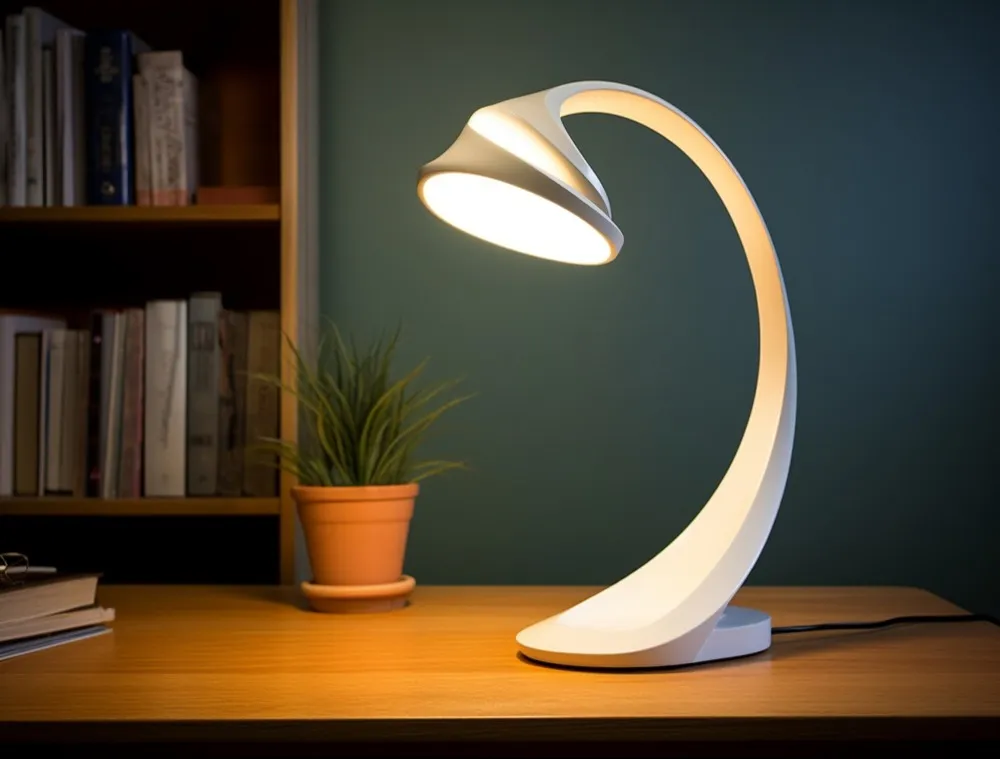
Table lamps are among the simplest ways to introduce focused illumination and decorative character into a room. Stylish table lamps for homes and offices can improve working comfort, create softer evening lighting, and add visual interest to desks, consoles, bedside tables, and sideboards.
Unlike large ceiling fixtures, table lamps are relatively easy to reposition. This makes them useful for spaces that need flexible lighting.
Choose the Lamp According to Its Purpose
Before considering colour or design, identify what the lamp needs to do.
A bedside lamp should provide comfortable illumination for reading without producing excessive glare. A desk lamp should support focused work. A console lamp may be primarily decorative, while a living room side-table lamp can provide a combination of ambient and task lighting.
The intended use determines the required brightness, shade design, height, and placement.
Home Applications
In residential interiors, table lamps can be used in several ways.
Bedrooms benefit from matching bedside lamps that create symmetry and provide individual reading light. In living rooms, a decorative lamp on a side table can create a warmer secondary light source.
Console tables in entrance areas can also benefit from decorative lamps, particularly when the main ceiling lighting is relatively bright.
For larger homes and villas, table lamps can help break up large spaces into smaller, more comfortable lighting zones.
Office Applications
A desk lamp should support productivity without creating reflections on screens. Positioning is important because light from the wrong angle can create glare or shadows.
For office environments, consider:
- Adjustable positioning
- Comfortable brightness
- Shade design
- Colour temperature
- Desk size
- Screen placement
- Cable management
A decorative desk lamp can also contribute to the overall appearance of executive offices, reception areas, private cabins, and meeting rooms.
Match the Lamp With Furniture
Scale matters. A very tall lamp on a small side table can appear unstable, while a tiny lamp may disappear next to substantial furniture.
The shade and base should also relate to the surrounding décor. Contemporary interiors can accommodate geometric or minimal designs, while classic interiors may work better with traditional silhouettes and textured materials.
Metallic finishes, ceramic elements, glass, and fabric shades can each create different visual effects.
Use Lamps as Secondary Lighting
One advantage of table lamps is that they can reduce dependence on a single overhead fixture.
During evenings, a combination of ceiling lights, wall lights, and table lamps can create a more layered environment. This allows occupants to adjust the room according to the activity instead of keeping every fixture switched on.
In Delhi-NCR homes and offices, where rooms may serve multiple functions, this flexibility can be especially useful.
What to Check Before Buying
A stylish lamp should still meet practical requirements. Look at:
- Lamp dimensions
- Bulb or LED compatibility
- Switch placement
- Cable length
- Base stability
- Shade material
- Ease of cleaning
- Expected usage
Kimika Lights operates in decorative and architectural lighting, with lighting applications relevant to both residential and professional interiors.
The best table lamp is one that looks appropriate when switched off and creates useful, comfortable illumination when switched on. That combination of design and practicality makes table lamps valuable across bedrooms, living rooms, offices, study areas, and reception spaces.
Keywords