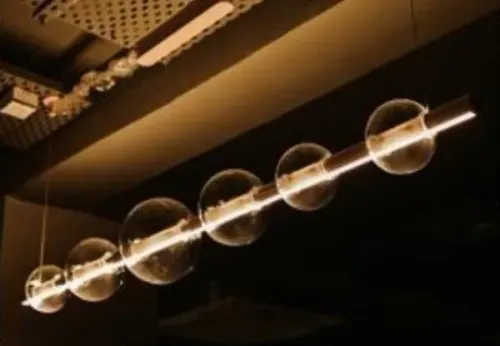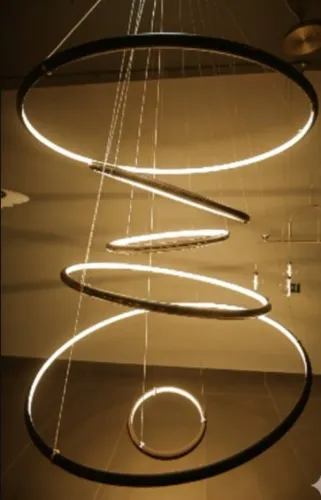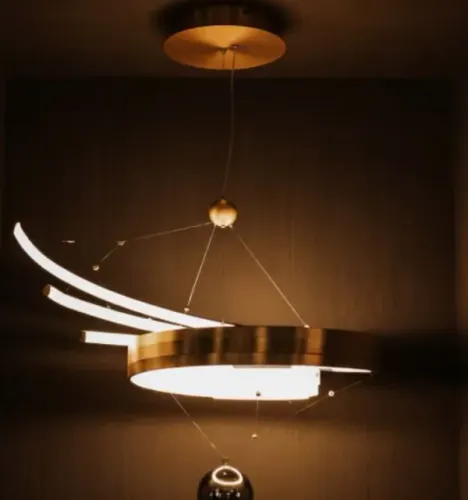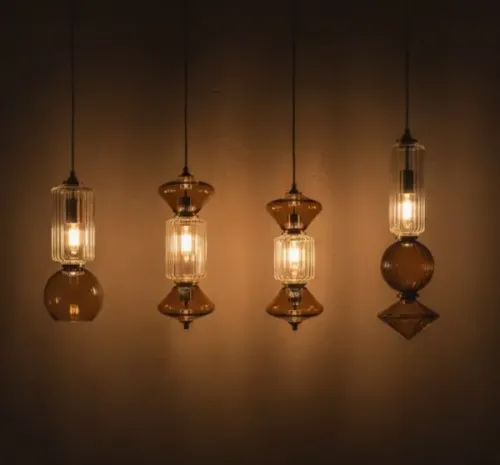
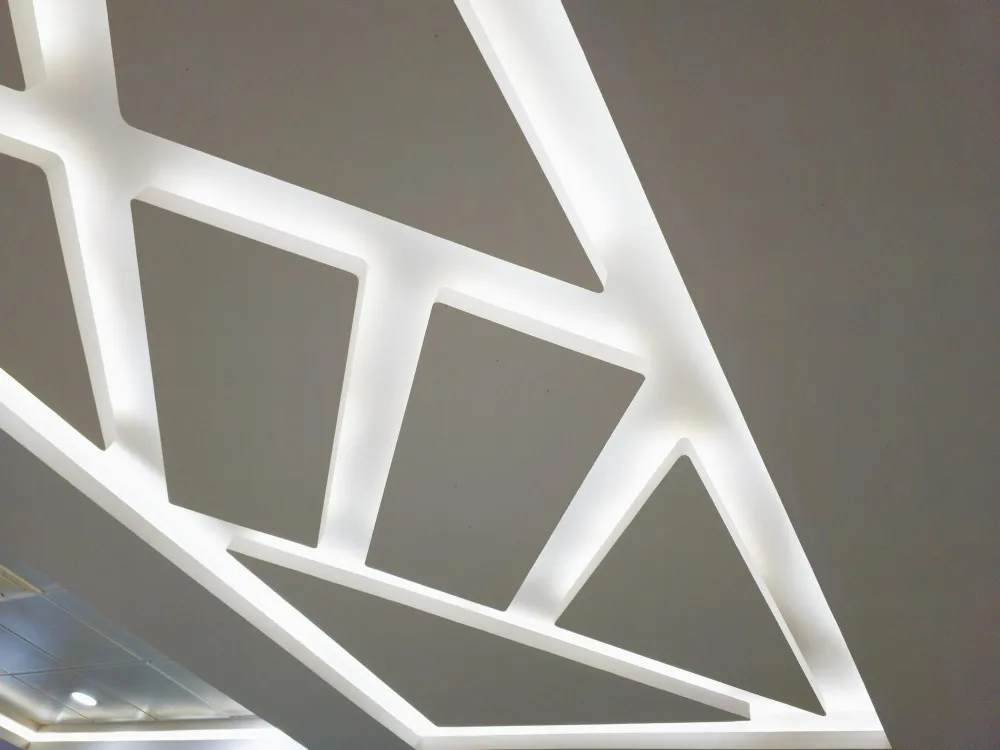
Selecting lighting for a modern interior involves more than comparing fixture designs. Projects often require different lighting types, coordinated finishes, consistent colour performance, technical compatibility, installation support, and dependable product quality. For this reason, choosing advanced LED lighting solutions for modern interiors should include careful evaluation of the lighting provider as well as the products.
This becomes particularly important for architects, interior designers, builders, and homeowners handling projects across Delhi-NCR.
Start With the Project Requirements
A reliable lighting provider should first understand the project rather than immediately recommending products.
Useful information includes:
- Property type
- Room dimensions
- Ceiling height
- Interior design style
- Intended activities
- Existing electrical points
- Required brightness
- Preferred colour temperature
- Energy considerations
- Project timeline
This information helps narrow the available lighting options.
Evaluate the Product Range
A provider supporting a complete interior project should ideally offer access to different lighting categories.
Depending on the project, this could include:
- Decorative pendant lights
- Chandeliers
- Wall lights
- Floor lamps
- Table lamps
- COB fixtures
- Architectural lighting
- LED-based interior solutions
A broad range can simplify coordination because designers do not need to source every lighting requirement independently.
Ask About Technical Specifications
Appearance is important, but technical details determine performance.
Before selecting a fixture, review:
- Wattage and light output
- Colour temperature
- Colour rendering
- Beam angle
- Driver specifications
- Dimming compatibility
- Installation method
- Expected operating life
- Maintenance requirements
These specifications should match the application rather than being treated as generic product features.
Assess Project Support
Large residential and commercial projects often involve multiple stakeholders. Architects, interior designers, electrical contractors, builders, and property owners may all have different requirements.
A capable lighting provider should be able to communicate product specifications clearly and coordinate with the broader project team.
This can reduce problems such as incompatible fixtures, incorrect dimensions, unsuitable mounting arrangements, or inadequate lighting levels.
Consider Customisation
Some projects have unusual dimensions or specific design requirements. Custom or project-specific lighting may therefore be necessary.
For example, a designer working on a luxury residence may need a distinctive decorative fixture, while a commercial project could require specific dimensions, beam angles, or coordinated finishes.
Ask whether the provider can support project-specific requirements and how such specifications are documented before production or supply.
Check Quality and Consistency
For multi-room or multi-property projects, consistency matters. Fixtures should maintain reliable performance and a cohesive visual language.
Quality evaluation should include construction, finish, electrical components, heat management, and consistency of light output.
A provider with experience across decorative and architectural lighting can be better positioned to understand how individual products need to work within a larger lighting scheme.
When Are You Ready to Select a Provider?
A project is generally ready for provider evaluation when the interior layout, ceiling plan, major furniture positions, and lighting objectives are sufficiently defined.
If these elements are still changing, final fixture selection may be premature.
For Delhi-NCR projects, where residential developments, commercial interiors, retail spaces, and renovation projects can involve tight coordination between design and execution teams, early lighting planning can prevent costly changes later.
Kimika Lights operates in decorative and architectural lighting and can be considered in projects where design-led lighting needs to be combined with technical requirements.
The right provider should contribute more than a catalogue of products. Look for a partner that understands the application, explains technical choices clearly, supports project coordination, and helps ensure that the final lighting scheme performs as intended. That approach makes LED lighting a strategic part of modern interior design rather than simply another finishing purchase.
Keywords